
 2nd & 3rd September, 2026
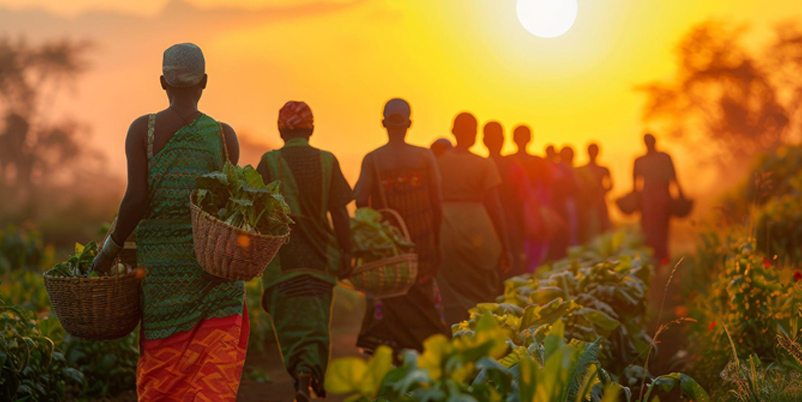
Africa’s agriculture is no new to the world, especially after the integration of agri-tech and smart farming into this evolving industry. The African Development Bank had rightly made anticipations that the market would lead to a very promising future. The food and agriculture market will rise from $280 billion annually to $1 trillion by 2030.
In this blog, we will see the latest developments in the African agribusiness and agriculture sector, so that we can find out if Africa can feed the entire world. Alongside, we will see what sets Africa apart in terms of agriculture. Let’s begin
1- Top Agri Trends - African agriculture is harnessing the benefits of the latest agriculture models and trends that are shaping the future of agribusiness on the continent. Some amongst many are precision agriculture and smart farming, AI and machine learning, agritech drones, field robots, aerial mapping, robotic field spraying and many more.
Read: Agricultural Technologies Required To Adopt In Africa
2- Government Strategy and Support ● CAADP 2026-2035 Strategy - The African Union has devised a 10-year plan in May 2025, which deliberately focuses on six strategic objectives: sustainable food production and agro-industrialisation, boosting investment, ensuring food and nutrition security, promoting inclusivity, building resilience, and strengthening governance.
More than that, it targets rapid urbanisation and climate change, which are vastly affecting the population in terms of adequate nutrition. With this strategy, Africa has stepped into a world of agri-food transformation like never before.
● Better Infrastructure - With the government support, countries like Kenya, where Africa’s major agriculture event - the Africa Agri Expo takes place every year, are launching an ambitious plan to build 50 large dams and 200 medium-sized dams by 2032 to expand irrigated agriculture to one million hectares. Apart from this, many countries such as Ethiopia, Nigeria,\ and Madagascar are striving hard to keep up with this advanced phase and strengthen their respective agriculture sectors.
● Improved Financial Services - The Government has introduced new ways for small- and medium-scale farmers in Africa to access loans. These have been achieved with partnerships with private financial institutions, fintech and various cooperative models. Apart from these, subsidies are always open. Recently, two major organisations—the Global Center on Adaptation and the African Development Bank—are partnering to help farmers in Eastern Angola. They will invest in making the entire farming process, from field to market, stronger against climate threats like droughts and floods. The goal is to secure food supplies and protect local livelihoods by building climate-resilient agriculture.
3 - Sustainable Approach Towards Agriculture - With a better understanding towards climate change and preserving the natural resources for future generations, African countries are stepping forward to sustainable agriculture by evoking a sense of shared responsibility amongst all the countries involved. Initiatives such as Africa RISING, Push and Pull Technology, the AAA Initiative, RAIN challenge, etc. Additionally, a significant emphasis is placed on promoting climate-resilient farming methods, such as agroecology, climate-resilient breeding, and integrating climate risk analytics into investment decisions to help farmers adapt to climate change.
So, here we come to a conclusion that Africa's agricultural potential represents one of the world's most powerful economic opportunities. When strategically channelled, this immense capacity can transform agribusiness, driving unprecedented growth, food security, and sustainable prosperity across the continent.